
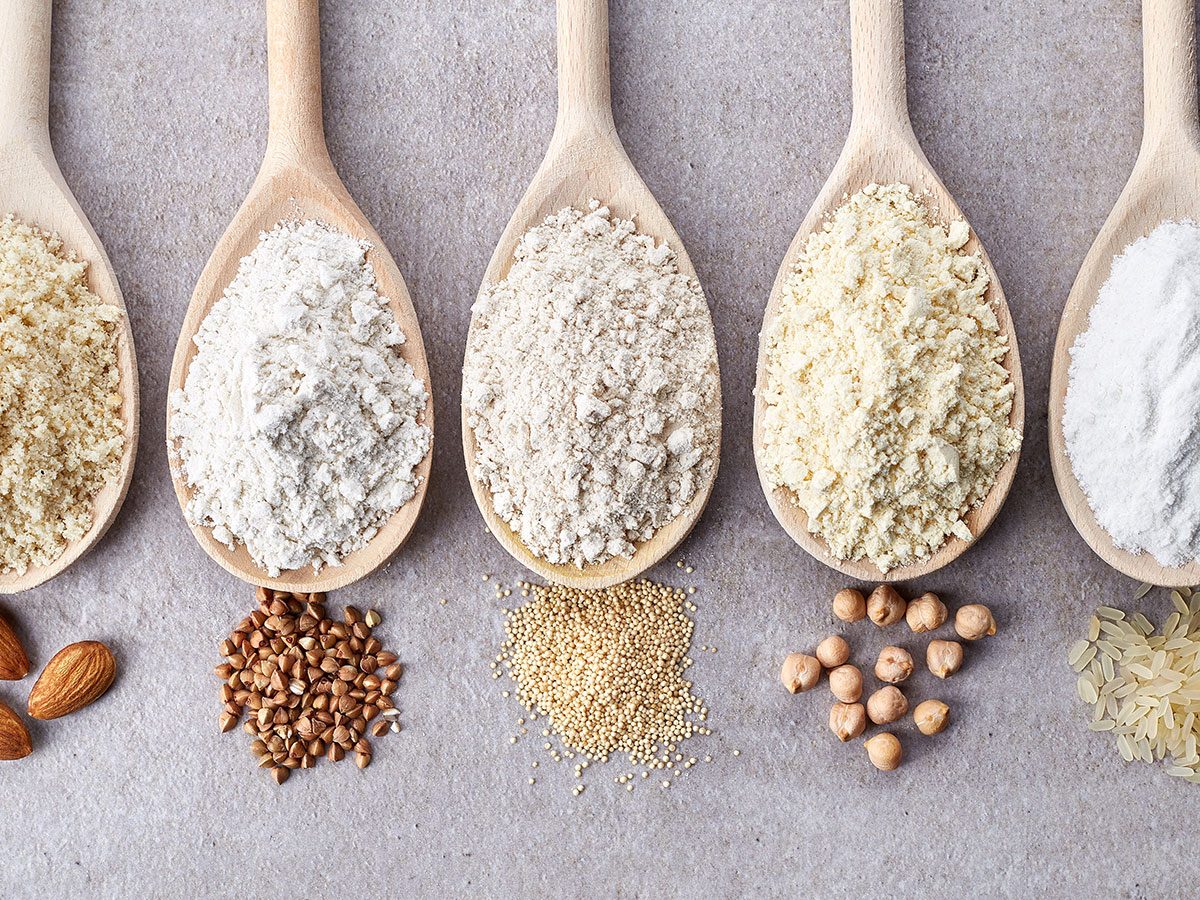
Knowing the different types of flour and when to use them is of crucial importance when trying new and delicious recipes. If you want to take your baking game to the next level, using an alternative flour is one way to do it. While traditional flour is a common choice for many people, as it’s relatively affordable and accessible, the demand for healthy eating and gluten-free options has made alternative flours widely available. They are ideal for people with gluten-free allergies and sensitives, as they contain a low glycemic index compared to the traditional grain flowers.
The market is now swamped with a wide range of different types of alternative flours such as chestnut flour, coconut flour, almond flour, oat flour, etc. Each of these is low in fat and calories, presenting healthier options for replacing the traditional flour.
In this article, I will give you a recommendation of some alternative flours that I think should be in every home cook’s pantry, particularly those who are trying to maintain a healthy diet and are looking for healthy alternatives to the conventional grain flours.
Types of Alternative Flours
Chestnut Flour
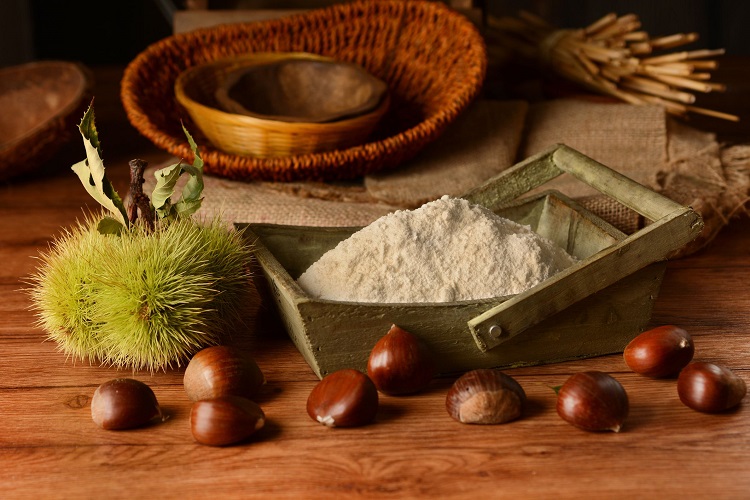
If you’re gluten intolerant, celiac or you are following a paleo diet, you are probably well aware that wheat flour is off the menu, including the many staple foods that contain it, such as bread, pasta, and most baked goodies. Luckily, wheat is not the only type of flour on the market, as there are many healthy gluten-free options for people with gluten sensitivities, and chestnut flour is one of them.
If you haven’t heard till now, chestnut flour is native to Italy, particularly to the region of Tuscany where it’s widely used. Being widely known as the grain that grows on trees, chestnuts flour has a greyish tan and sweet flavour making it suitable for a wide variety of sweet recipes, such as chestnut flour bread, pie crust, crepes, and other baking goods. It can also be used as an ingredient when you are making a creamy soup or any type of stews. You just need to add 2-3 tablespoons of it to make the dish get denser consistency in addition to the creamy flavour.
Hazelnut and Almond Flour

Besides chestnut flour, hazelnut and almond flour are two similar gluten-free nut flour options. While they both have a similar nutritional value there are some substantial differences between them. For instance, one important area they differ in is their flavour. Almond flour has a strong nutty flavour with a slightly bitter edge, whereas hazelnut flour is much sweeter and mellower. Both flours contain high levels of healthy fats, which is one of the reasons they can go rancid quickly.
Almond flour is low in carbohydrates and a good source of protein, fibre, vitamin E, and magnesium. It also provides great sours of vitamins and minerals that benefit our health in a number of ways. The usage of almond flour is closely related to improving muscle and nerve function, regulating and maintaining stable blood sugar levels and blood pressure.
Hazelnut flour is made from whole raw hazelnuts. You can replace 30% of the wheat flour with hazelnut flour to add wonderful texture and rich, buttery flavor to your baking while reducing the total carbohydrates. This makes it ideal for those following a low carbohydrate or paleo diet.
Both types of flours can be used for making a wide variety of delectable baked goods including, cookies, pastries, muffins, sweetbreads, and a host of other desserts.
Coconut Flour

Coconut flour is made from the by-product of coconut milk, and it’s considered a great alternative to traditional and all-purpose flour. It contains a rich source of fiber, that is almost five times more than the fiber you’d find in most traditional whole wheat flour. Moreover, it is packed with many healthy nutrients, proteins, and healthy fats while being completely grain gree.
You can also make your homemade coconut flour by using dried coconut flakes and blitzing them to a powder in a blender. This type of flour has a distinctive mildly sweet taste which adds a natural sweetness to any recipe. There are dozens of recipes you can try to make using coconut flour, such as coconut flour muffins, coconut bread, coconut pancakes, paleo zucchini bread, etc.
Oat Flour
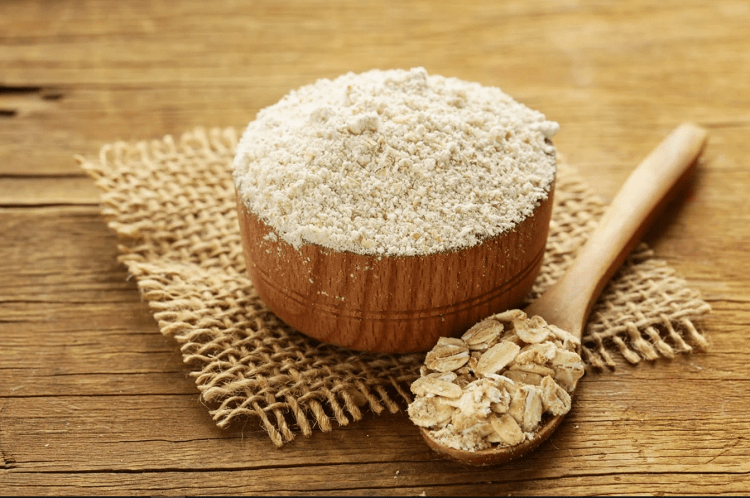
Oat flour has become a quite popular gluten-free alternative substitute to all-purpose flour. It’s inexpensive compared to some alternative flour options and can be either store-bought or made at home, grinding the oats into a fine powder by using a high-speed blender. Oat flour is naturally gluten-free and contains many nutrients such as calcium, magnesium, iron, thiamine, phosphorus, and zinc. It has a subtly sweet, toasty, and nutty flavour.
Moreover, oat flour contains both soluble and insoluble fiber, which according to some studies helps reduce your risk of developing coronary heart disease or cardiovascular disease. When paired with other sorts of flours, oat flour can soften up and lighten up the texture. You can use it for making different sorts of recipes such pancakes, oatmeal cookies, waffles, muffins, etc.
 A Little Bit Of Taste